Humid Texas Kitchen? Quartz vs Granite vs Quartzite vs Marble (2026)
Humid Texas Kitchen? Here’s Which Countertop Material Holds Up Best
If you live in Houston, Galveston, Corpus Christi or anywhere along the Gulf Coast, you already know the air does not let up. Indoor humidity often stays at 70 to 80 percent, and that changes how a countertop ages. Most countertop advice is written for drier parts of the country and ignores this.
Choose engineered quartz if you want the lowest-maintenance option. It is non-porous, so it never needs sealing. If you prefer natural stone, sealed granite or sealed quartzite will also perform well. Marble is best kept out of the kitchen in this climate.
Three ways humidity wears on a countertop
- Moisture seeps in through the air. Porous stones like marble and unsealed granite can absorb ambient moisture over time, not just from spills. That moisture carries oils, food particles and bacteria into the stone.
- Sealers wear out sooner. Granite that goes two years between sealings in a dry state may need resealing every year on the Gulf Coast.
- Caulk fails first. Mold rarely grows on the slab itself. It grows in the caulk line along the backsplash and around the sink cutout, where a cracked joint lets moisture sit. This applies to every material, so re-caulk every two to three years.
Quick comparison
- Quartz (engineered): non-porous, never sealed, excellent humidity resistance, very low mold risk. Best for busy family kitchens.
- Quartzite (natural): low to medium porosity, sealed yearly, very good humidity resistance. Best for buyers who want natural stone with dramatic veining.
- Granite: medium porosity, sealed yearly, good humidity resistance. Best all-rounder for value.
- Marble: high porosity, sealed often, poor humidity resistance. Best for vanities and accent pieces only.
Why quartz leads in humid conditions
Quartz is roughly 90 to 95 percent crushed quartz crystals bound with polymer resin. The resin fills the tiny voids in the material, so there are no pores for moisture or bacteria to enter. Steam and spills stay on the surface and wipe off. Well-known brands such as Silestone, Cambria and Caesarstone all offer this kind of surface.
One Texas-specific warning: quartz is for indoor use only. The same resin that makes it non-porous is sensitive to UV light. In an outdoor kitchen, or beside a large south-facing window without UV-protective glass, it can yellow and fade, and manufacturers exclude outdoor use from their warranties. For patios and outdoor bars, choose granite or quartzite.
Granite: still a Texas favourite
Granite is dense, hard and handles heat well. With yearly sealing it commonly lasts 20 to 30 years or more, even in Houston and San Antonio. Darker, denser varieties such as Absolute Black, Steel Grey and Black Galaxy absorb moisture more slowly and hold a seal longer, which makes them a smart pick for coastal homes. Granite also has no resin, so it is fully UV-stable outdoors.
Quartzite: the natural stone upgrade
Quartzite sits at about 7 to 8 on the Mohs scale, slightly harder than granite, and it resists etching far better than marble. Taj Mahal quartzite is a popular choice in Texas. It has a warm cream and gold tone and looks like Italian marble. A leathered finish is a 2026 trend, and it hides fingerprints, water spots and condensation marks, which helps in a humid kitchen.
Why not marble?
Marble is beautiful, but it is the most porous option and etches from acidic foods and cleaners. In a coastal kitchen used daily, unsealed or poorly sealed marble can stain within months. It is better suited to bathroom vanities, powder rooms and fireplace surrounds.
A real example from Friendswood
A homeowner replaced her counters with an entry-level engineered stone sold as “quartz” through a national retailer. Within 18 months it showed discoloration near the sink and cooktop, and the warranty did not cover humidity damage. She switched to leathered Steel Grey granite, and two years later it has no staining. Her advice: ask for the exact brand of any engineered stone you are quoted, and confirm it comes from a reputable manufacturer.
Other things to weigh before you decide
- Cooking habits: heavy cooking favours quartz or granite.
- Upkeep: quartz needs none. Granite and quartzite need about 20 minutes of sealing a year.
- Budget: granite is usually the most accessible. Quartz and quartzite overlap in the mid-to-premium range.
- Resale: quartz, granite and quartzite all add appeal in Texas.
- Style: warm neutrals are leading in 2026, such as greige quartzite, warm white quartz and leathered Absolute Black granite.
- Outdoor plans: only granite and quartzite are suitable.
Quick FAQs
Does humidity damage granite? Not if it is sealed each year. Unsealed granite can slowly absorb moisture and stain.
Is quartz better than granite for humidity? For zero upkeep, yes. If you will reseal every year, granite performs comparably.
How do I know when to reseal? Drop a little water on the surface. If it soaks in instead of beading, it is time to reseal.
Which material resists mold best? Quartz, with sealed granite and quartzite close behind. In every case, keep the caulk lines fresh.
Looking for slabs?
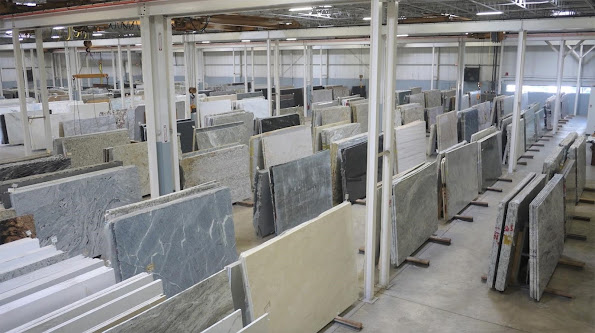
Stone Depot US has supplied quartz, granite, quartzite and marble to Texas homeowners and fabricators since 1984, with a Texas warehouse and a 12-point quality check on every slab. Browse the full range and request samples at stonedepotus.com.
Phone: 281-771-1511
Email: info@stonedepotus.com
Read the full original guide here: https://www.stonedepotus.com/blog/countertop-humid-texas-kitchens/


Comments
Post a Comment