Taj Mahal Quartzite: The Marble Look Without the Marble Headaches
Plenty of Texas homeowners fall for the soft cream-and-gold look of Italian marble, then back away when they hear about etching, staining and constant upkeep. Taj Mahal quartzite is the stone that solves this. It looks like luxury marble but is far tougher underneath.
Taj Mahal quartzite is a natural stone from Brazil with a creamy white background, warm gold veining and a Mohs hardness of about 7. It resists etching and scratching much better than marble, handles direct heat, and is fully UV-stable. That makes it one of the few natural stones that works equally well in indoor kitchens and outdoor spaces in Texas.

What exactly is it?
Taj Mahal is a natural metamorphic stone. Sandstone is exposed to extreme heat and pressure deep underground, and the result is a hard, dense material. It is not granite, not engineered quartz and not marble, though suppliers sometimes use those names loosely. The correct term is natural quartzite.
How it compares:
Taj Mahal quartzite: natural metamorphic, Mohs 7, high etch resistance, excellent heat resistance, fully UV-stable, sealed every 12 to 18 months, about $100 to $200 per sq ft installed in Texas.
Marble: Mohs 3 to 5, etches from lemon, wine and vinegar, good heat resistance, fully UV-stable, sealed more often, about $80 to $200 per sq ft.
Granite: natural igneous, Mohs 6 to 7, high etch resistance, excellent heat resistance, fully UV-stable, sealed every 1 to 3 years, about $75 to $150 per sq ft.
Engineered quartz: stone plus resin, Mohs 6 to 7, high etch resistance, moderate heat resistance (resin melts above 300°F), poor UV stability, no sealing, about $75 to $130 per sq ft.
The biggest difference is etch resistance. Taj Mahal is mostly quartz and silica, so everyday food acids and cleaners don't mark it the way they mark marble.
What a genuine slab looks like
Expect a warm cream or ivory background with wispy, flowing veins in soft gold, beige and taupe. The veining is subtle, not bold. The name comes from the Taj Mahal in Agra, India, whose pale golden-white marble is a close visual match, but the stone itself is quarried in Brazil.
Every slab is different. Some carry more gold, others are nearly pure cream. Slabs with gentle, flowing veining cost more than busier ones, so always look at the actual slab before you buy.
Which finish should you choose?
Polished: high gloss and the most vivid veining. Good for statement islands and formal kitchens.
Honed: matte and contemporary. Good for family kitchens and bathrooms, and growing fast.
Leathered: soft texture that hides fingerprints. Good for busy counters and outdoor kitchens, and the fastest-growing finish in 2026.
Brushed: linear, slightly rustic texture. A niche choice for feature walls and commercial use.
Texas fabricators are re-ordering honed and leathered finishes more than polished, because they hide water spots and fingerprints better.
How it performs in Texas conditions
Heat: Outdoor surfaces in a Texas summer can pass 120°F in direct sun. Taj Mahal handles this easily, unlike engineered quartz resin.
Outdoor kitchens: Because it is UV-stable, it suits outdoor counters where quartz can fade and discolour.
Humidity: Houston and San Antonio often reach 70 to 80 percent humidity. Its low porosity means humidity isn't a problem, and the sealing schedule stays the same.
Resale: In Dallas-Fort Worth, Austin's Tarrytown and West Lake Hills, and Houston's River Oaks and Memorial, it is a recognised luxury choice that fabricators say helps listing appeal.
How to spot a fake
Several look-alikes are sold under the Taj Mahal name, sometimes on purpose. The main ones:
Perla Venata: lighter and cooler, with a crystalline or shattered-glass texture. About $85 to $150 per sq ft installed.
Cristallo: bright white with very little veining and a glassy depth. About $150 to $250 per sq ft installed.
Nica / Naica: flat, opaque, beige or grey-white. Often mislabelled. About $60 to $90 per sq ft installed.
Three simple checks:
Warmth test: Hold white paper next to the slab. Genuine Taj Mahal looks warmer and slightly golden. Perla Venata looks cooler.
Depth test: The real stone has a translucent quality, as if you can look into it. Nica looks flat.
Price check: If a quote is $40 to $50 per sq ft below the Texas average, or an installed price under about $90 per sq ft, verify the stone before you buy.
Stone Depot US assigns lot numbers to all Taj Mahal inventory, and trade buyers can see the exact slab numbers before ordering.
Taj Mahal quartzite vs engineered quartz
The names sound alike, but one is natural and the other is manufactured. Taj Mahal is 100 percent natural stone and takes heat and UV well. Engineered quartz is crushed quartz bound with resin, which can scorch or discolour under the same conditions.
Where to use it
Kitchen countertops and islands
Waterfall island edges
Bathroom vanities
Outdoor kitchens and covered patios
Feature walls and backsplashes
Fireplace surrounds and hearths
Commercial and hospitality surfaces
2026 Texas pricing
Most Texas projects land between $100 and $200 per sq ft fully installed, including the slab, fabrication and installation.
Wholesale slab (trade buyers): $15 to $20 per sq ft
Retail slab: $60 to $100 per sq ft
Fabrication and edging: $30 to $50 per sq ft
Installation: $20 to $30 per sq ft
Standard 50 to 60 sq ft kitchen: $5,500 to $12,000 in total
Sealing every 12 to 18 months: $60 to $120
Four things move the price: slab quality and veining, thickness (3 cm costs more than 2 cm), fabrication complexity such as waterfall edges and book-matching, and wholesale versus retail sourcing. Fabricators who buy wholesale can cut material cost by 20 to 25 percent compared with retail slab yards.
Care and maintenance
Sealing: Use a penetrating impregnator sealer every 12 to 18 months. If water soaks in instead of beading, reseal.
Cleaning: Use warm water, a pH-neutral cleaner and a soft microfibre cloth. Avoid vinegar, bleach, citrus products and abrasive pads.
Heat: Hot cookware won't crack or discolour it, though trivets are still good practice.
Scratches: At Mohs 7 it is harder than most kitchen tools. Use a cutting board anyway, because the stone will dull your knives.
Etching: Wine, citrus, coffee and vinaigrette wipe off without marking the surface.
Frequently Asked Questions
Does it need sealing? Yes, every 12 to 18 months. Humidity doesn't change the schedule.
Which finish suits a busy family kitchen? Honed or leathered. Both hide water spots and fingerprints better than polished.
Can it be book-matched for a waterfall island? Yes, if the slabs come from the same lot. Ask for matched pairs when you order.
How does it compare with White Macaubas or Calacatta quartzite? All three are white-and-gold quartzites. Taj Mahal is warmer with softer veining, White Macaubas is cooler and more marble-white, and Calacatta quartzite has bolder, more dramatic veining.
Looking for Taj Mahal slabs in Texas?
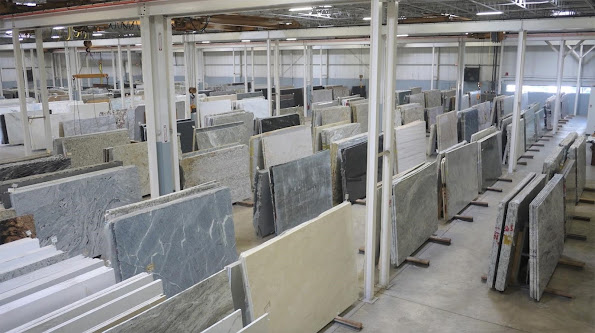
Stone Depot US has imported and distributed natural stone since 1984. It supplies fabricators and contractors in Houston, Dallas, Austin and San Antonio from its Alvin, TX warehouse, with same-week delivery on in-stock slabs and a 12-point quality check on every slab. That avoids the 6 to 10 week wait of importing directly.
Phone: 281-771-1511
Email: info@stonedepotus.com
Read the full original guide on Stone Depot US: https://www.stonedepotus.com/blog/taj-mahal-quartzite-countertops-guide/


Comments
Post a Comment